Managing Every Phase From Start to Finish
General Contracting in Marshall for projects requiring coordinated oversight and accountability
Construction projects fail most often not from poor craftsmanship but from gaps in coordination—materials arriving late, trades scheduled out of sequence, or decisions made without understanding downstream consequences. M&K's Remodeling handles general contracting work in Marshall, Texas, managing every phase from initial planning through final walkthrough. That oversight matters when you're adding square footage to your home, replacing an aging roof system, or opening up load-bearing walls during a remodel.
General contracting means one point of accountability for materials procurement, labor scheduling, trade coordination, and quality control across the entire construction timeline. The work involves sequencing each phase so that rough-in inspections happen before drywall goes up, ensuring subcontractors have what they need when they arrive, and catching errors before they're buried in the next layer of work. When the electrician and plumber both need access to the same wall cavity, someone has to decide who goes first based on code requirements and logical build order.
Request a project consultation to review scope, timeline, and coordination requirements for your property.
How Project Oversight Prevents Delays and Rework
Effective general contracting tracks three things simultaneously: what's been completed, what's ready to start, and what's waiting on a prior task or inspection. On a typical addition project, that means verifying the foundation is cured and inspected before framing begins, confirming sheathing and flashing details before siding installation, and scheduling final electrical and plumbing inspections before insulation covers the walls. Each decision point affects cost, schedule, and whether work has to be undone later.
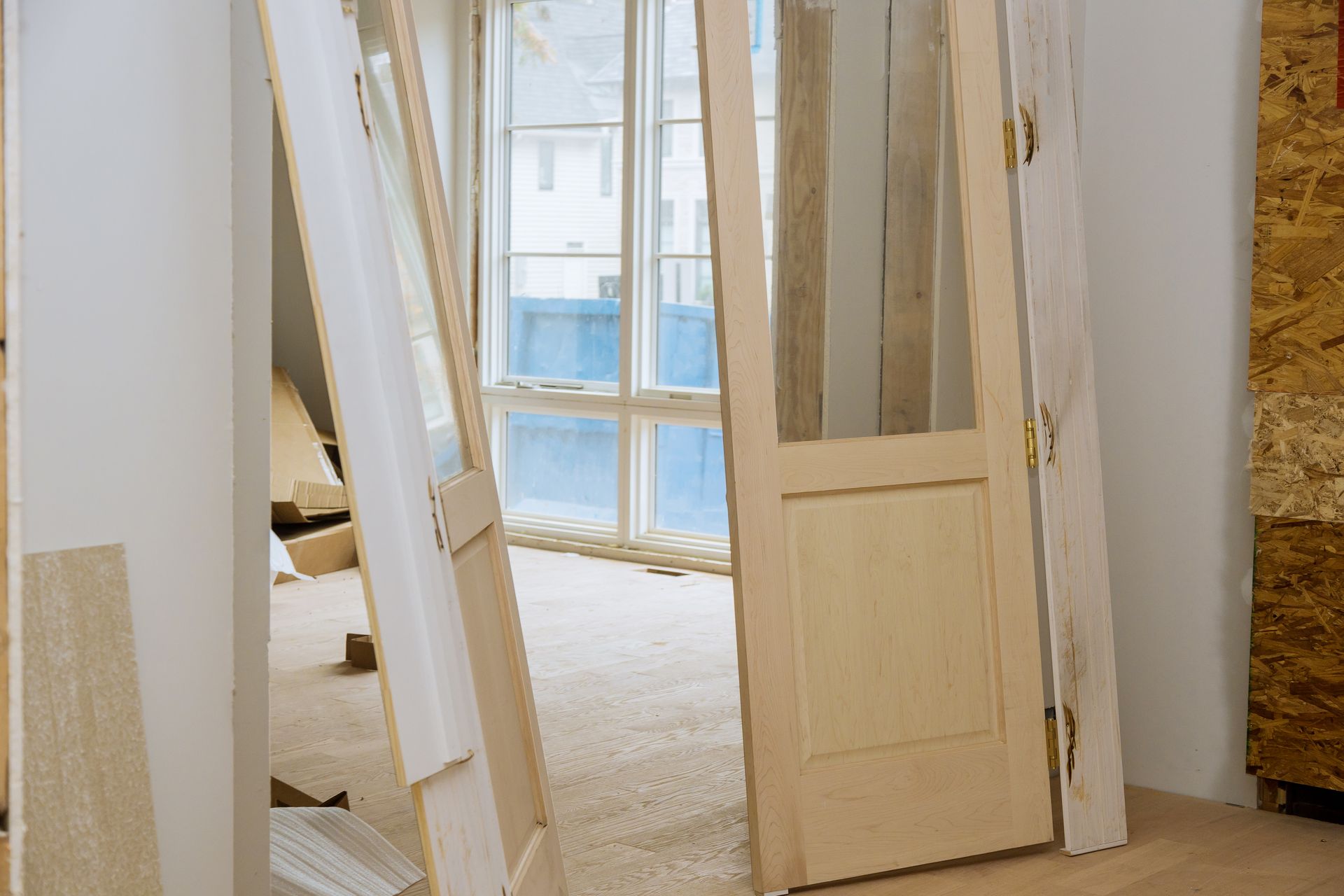
Once the project reaches completion, you'll notice that trim joints align, doors operate without binding, and transitions between old and new construction look intentional rather than patched together. Cabinets sit level because someone verified the floor before installation, and paint coverage is even because surfaces were prepped correctly. The difference shows up in how the space functions daily and how long finishes hold up under normal use.
This level of coordination also includes managing permit applications, responding to inspector feedback, and ensuring that structural work meets local building standards. Projects in Marshall often involve older homes where framing dimensions don't match modern lumber sizes, requiring adaptation rather than assumption. The contractor's job includes recognizing those conditions early and adjusting methods accordingly.
What Homeowners Ask About Project Management
Contractors handling multiple trades and material deliveries across weeks or months often field similar questions about communication, timing, and what happens when conditions change mid-project.
What does a general contractor actually manage during construction?
The contractor coordinates material orders to match the construction schedule, schedules inspections at required intervals, manages subcontractor access and sequencing, handles permit documentation, and maintains quality control from demolition through final cleanup. You receive regular updates on progress and any issues requiring decisions.
How do you handle changes or unexpected conditions once work starts?
When framing reveals water damage, outdated wiring, or structural issues not visible during planning, the contractor documents the condition, explains repair options, provides cost and schedule impacts, and adjusts the work plan once you approve changes. Most remodeling projects in Marshall uncover at least one surprise condition in older homes.
What happens if materials are delayed or a subcontractor cancels?
The schedule adjusts to keep other trades productive—if windows are delayed, interior framing or electrical rough-in may proceed if sequencing allows. The contractor monitors delivery timelines and maintains backup options for critical materials to minimize downtime.
How is quality controlled across different trades and phases?
Each phase includes checkpoints before the next trade begins—verifying framing is plumb and square before sheathing, confirming flashing and moisture barriers before siding, checking rough-in work before insulation and drywall. Problems caught early cost less to fix than those discovered during final finishes.
When should I be on-site during construction?
Most contractors schedule key decision points when your input is needed—layout verification before framing, fixture and finish selection before installation, and final walkthrough before project closeout. Daily presence isn't necessary when communication protocols are clear.
M&K's Remodeling provides the coordination and accountability needed to move construction projects from concept to completion without avoidable delays or quality gaps. Schedule a consultation to discuss scope, timeline, and oversight for your planned work.