
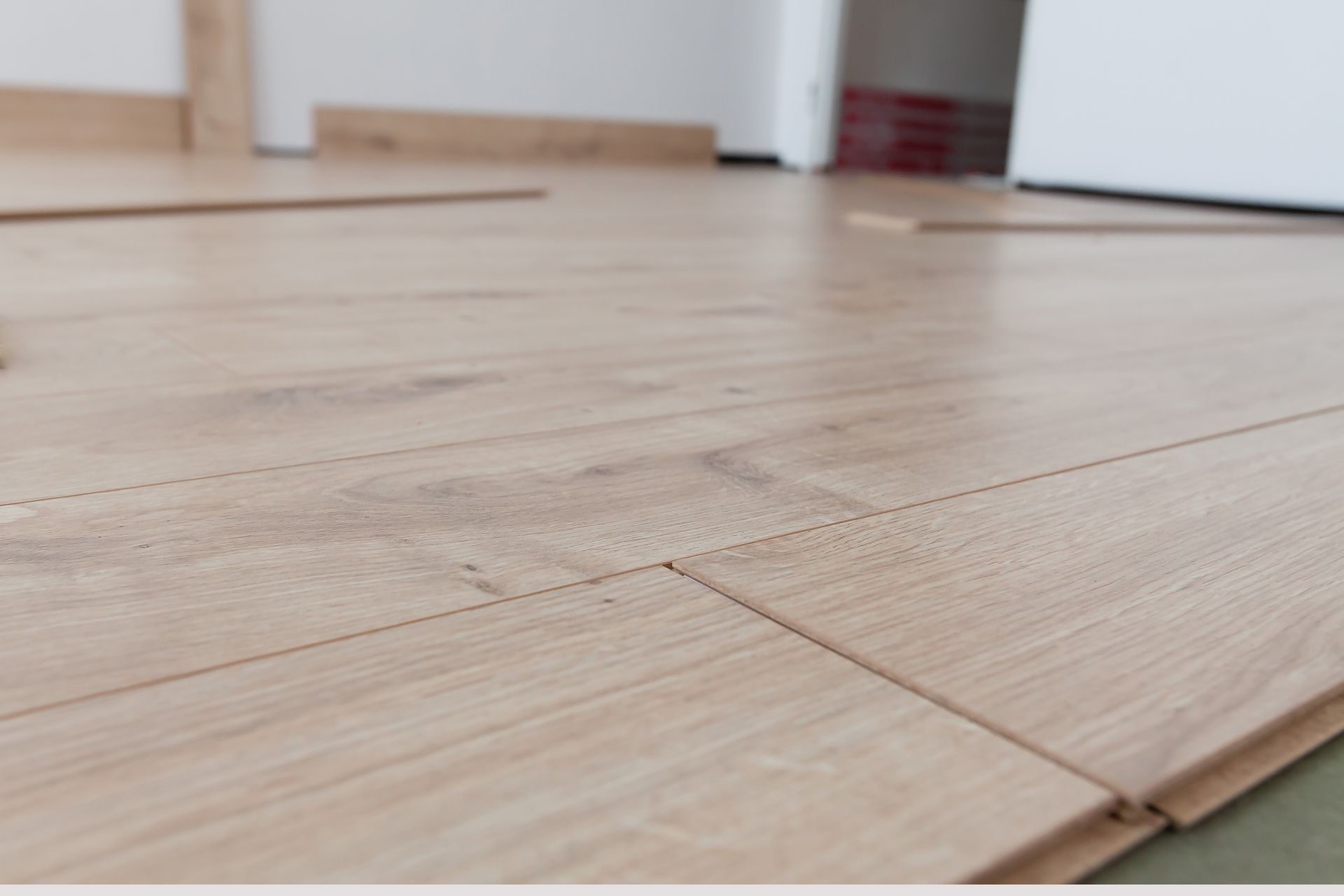
Restoring Stability Beneath Finished Floors
Subfloor Repair and Replacement in Marshall for homes with soft spots, squeaking, or moisture damage
Subfloors fail when water leaks from plumbing or roofing go unnoticed, when crawl space moisture migrates upward through inadequate vapor barriers, or when termites compromise structural sheathing before visible damage appears. M&K's Remodeling inspects, repairs, and replaces damaged subfloor systems throughout Marshall, addressing the underlying causes rather than just covering symptoms with new flooring. The subfloor carries the load of furniture, foot traffic, and appliances, transferring that weight to floor joists—when it deteriorates, finished floors above it become uneven, noisy, or unstable.
Thorough inspection identifies the extent of damage, moisture sources, and whether joists or other structural components also need attention. Repair involves removing damaged sections, verifying that underlying framing is sound and dry, then installing new tongue-and-groove plywood or OSB subfloor panels fastened with ring-shank nails or screws to prevent squeaking. When moisture is the root cause, the repair includes correcting drainage issues, improving ventilation, or installing vapor barriers before new subfloor goes down.
Schedule an inspection when you notice soft areas, squeaking, uneven surfaces, or visible moisture stains on flooring.
How Subfloor Work Supports Long-Term Structural Integrity
Subfloor replacement often occurs during remodeling projects when flooring is already removed, exposing conditions that weren't visible before. Proper installation requires allowing panels to acclimate to interior humidity levels, leaving expansion gaps at walls and panel edges, and using adhesive along with mechanical fasteners on joist tops to eliminate movement. Panel edges must land on joist centers or be supported by blocking to prevent deflection between supports, and fastener spacing follows manufacturer specifications to ensure the floor system performs as designed.
Once subfloor work is complete, you'll notice that floors no longer feel soft or bouncy underfoot, squeaking disappears during normal use, and finished flooring materials lie flat without high spots or dips that cause premature wear. Tile installations benefit from rigid subfloors that prevent cracking, while hardwood and laminate floors perform better when substrates are level and stable. The structural improvement also means that future flooring replacements won't encounter the same damage patterns if moisture issues have been corrected.
Subfloor services frequently support broader remodeling work—kitchens and bathrooms undergoing layout changes provide access to address hidden deterioration, and whole-home flooring upgrades justify correcting subfloor deficiencies that would otherwise compromise new materials. Leveling projects sometimes require shimming joists or adding layers to bring subfloor surfaces into plane before new finishes are applied.
What Property Owners Ask About Subfloor Issues
Homeowners dealing with flooring problems often want to understand what's happening below the surface, how extensive repairs will be, and how to prevent recurrence.
What causes subfloors to develop soft spots or squeak?
Soft spots indicate moisture damage or structural deterioration, while squeaking results from subfloor panels rubbing against joists or moving relative to fasteners. Both issues often trace back to water intrusion, inadequate fastening during original construction, or wood movement as humidity levels change seasonally in Marshall's climate.
How do you determine whether subfloor needs repair or full replacement?
Inspection involves probing suspected areas for structural integrity, checking moisture levels with meters, and pulling back flooring to assess visible damage. Localized soft spots may require only partial replacement, while widespread deterioration or active moisture issues often justify replacing entire sections to ensure uniform performance.
Can subfloor work be done without removing all finished flooring?
Repairs are possible through access points if damage is localized, but most scenarios require removing flooring in affected areas to properly assess conditions and install new subfloor panels. Finished flooring that's already compromised by subfloor failure typically needs replacement regardless of repair approach.
What steps prevent future subfloor damage?
Correcting moisture sources is critical—fixing plumbing leaks, improving crawl space ventilation, installing vapor barriers, and ensuring proper grading and drainage around the foundation. Regular inspection of areas prone to moisture accumulation helps catch issues before significant damage occurs.
How does subfloor condition affect new flooring installation?
Uneven, soft, or damaged subfloors cause premature flooring failure—tile cracks, hardwood gaps or cups, and vinyl develops wrinkles or tears. Quality flooring installation requires a stable, level substrate, so addressing subfloor issues before new materials go down prevents callbacks and warranty disputes.
M&K's Remodeling approaches subfloor repair with attention to root causes and long-term stability, ensuring that structural improvements support finished flooring performance for years. Contact the company to schedule an inspection when flooring issues suggest underlying subfloor problems.