
Defining Boundaries and Securing Outdoor Space
Privacy Fence Installation in Marshall for properties needing security and separation
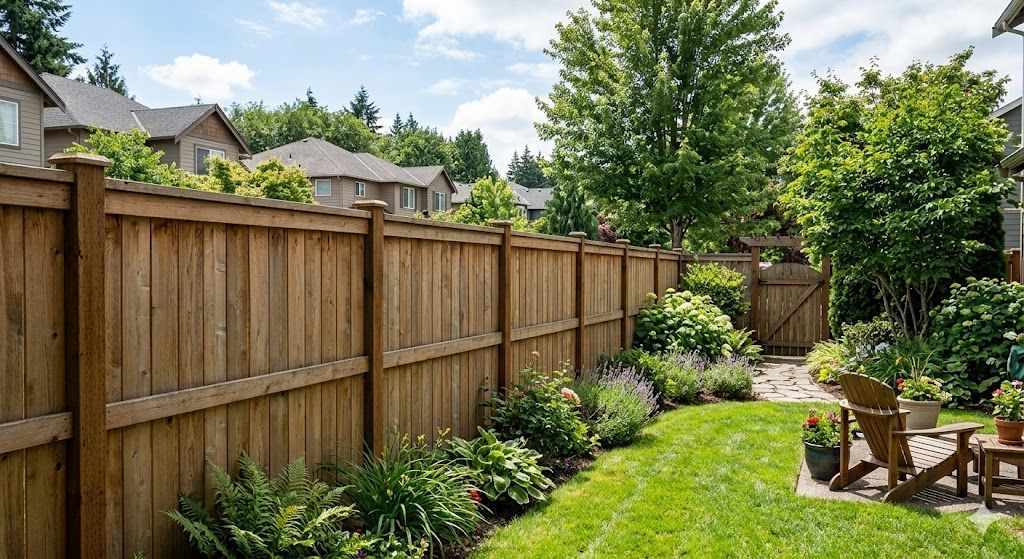
Wood privacy fences installed across Marshall properties fail within five to seven years when posts aren't set deep enough to resist soil movement or when untreated lumber contacts moisture-prone soil. M&K's Remodeling installs privacy fencing using posts set in concrete below frost line depth, pressure-treated lumber rated for ground contact, and fasteners that resist corrosion from humidity exposure. The installation defines property lines clearly, screens outdoor areas from neighbor sight lines, and provides security for children, pets, and equipment stored outside.
Fence installation begins with verifying property boundaries and utility locations, then setting posts at consistent spacing and depth to ensure the fence line stays straight and vertical as materials settle. Panels or pickets are attached using galvanized or coated fasteners that won't rust and stain the wood, and gates are framed and hinged to operate smoothly without sagging over time. Material selection depends on whether you prioritize cost, longevity, or minimal maintenance.
Request a fencing estimate to review layout options, material choices, and installation timeline for your property.
What Durable Installation Practices Deliver Over Time
Fence durability depends on post stability and material resistance to moisture, insects, and UV exposure. Posts set in concrete cure for at least 24 hours before rails and pickets are attached, preventing movement that causes alignment issues later. Pressure-treated lumber used for posts and lower rails resists rot where ground moisture wicks upward, while untreated pickets can be sealed or stained to extend lifespan and maintain appearance. Hardware selection matters—lag screws and through-bolts hold better than nails on gate frames and hinges subject to repeated stress.
After installation completes, you'll notice that fence sections remain vertical and aligned without leaning or twisting, gates latch securely without needing adjustment, and the fence line creates a clean visual boundary that improves curb appeal. Privacy screening blocks sight lines from adjacent properties, making outdoor spaces more usable for activities where visibility matters. Security improves because access points are controlled and the barrier deters casual entry.
Customization includes fence height, picket spacing, gate placement, and finish options. Standard privacy fences use six-foot-tall pickets with minimal gaps, while decorative options incorporate lattice tops, alternating widths, or stain colors that complement home exteriors. Properties with slopes or irregular boundaries require adjustments to maintain consistent height and appearance.
Answers to Frequent Fencing Questions
Homeowners planning fence installation typically ask about materials, property lines, maintenance, and how the fence will perform under local conditions.
What materials hold up best for privacy fencing in Marshall's climate?
Pressure-treated pine resists rot and insect damage when used for posts and structural components, while cedar or composite materials offer longer lifespan with less maintenance. East Texas humidity accelerates wood decay if lumber isn't properly treated or sealed, so material selection affects how often repairs or replacement are needed.
How do you verify property lines before installation?
Property surveys or plat maps show legal boundaries, and fence installation should align with those lines to avoid encroachment disputes. If boundary markers aren't visible, a surveyor can re-establish corners and lines before fence layout begins.
What maintenance does a wood privacy fence require?
Annual inspection for loose fasteners, damaged pickets, and post stability helps catch issues early. Stain or sealant reapplication every two to three years protects wood from moisture and UV damage, extending fence lifespan and maintaining appearance. Gates should be checked periodically for hinge tightness and latch alignment.
How deep are fence posts set during installation?
Post depth typically reaches 24 to 30 inches, with at least one-third of the post length below ground and surrounded by concrete. Depth depends on soil type and fence height—taller fences and loose soils require deeper settings to resist wind load and prevent leaning.
When is the best time to install a fence in Marshall?
Installation proceeds year-round, but concrete cures faster in warm, dry conditions, and soil is easier to excavate when moisture content is moderate. Scheduling during spring or fall often avoids extreme heat and heavy rain that can delay work.
M&K's Remodeling installs privacy fencing using methods that prioritize long-term stability and material performance under real-world exposure. Schedule a property visit to discuss fencing layout, material options, and installation details specific to your lot conditions.